The retreat center where I once lived and worked occupied the last of a 19th-century estate, with three buildings, including the main house, that hadn't been modernized. This was a good thing, because it meant the buildings remained pretty accurate historically. It also meant that plugging in a coffeepot on a night when visiting musicians had brought their sound systems had the potential to create an immediate blackout. This did happen.
While the estate was old, the retreat center was new. The staff was skeletal (not skinny -- I was the cook -- but rather few; three women worked 83 acres). Indian musicians of very high caliber, on tour in the U.S., discovered us, and offered concerts. But we had never done anything like this before, and there were lots of details to be worked out. The shrine held thirty, and so, while appropriate, was impractical. We converted the classroom. Volunteers built a movable stage (which eventually came to rest in place, of course) and we covered it with rugs from the bookstore and sheets from the linen closet. The sound system was borrowed; the seating was ad hoc. Fifty new folding chairs showed up. Volunteers directed traffic and took donations.

But what to feed the musicians? I had to come up with something that could be made ahead of time (the kitchen could be heard from the performance space); that would be ready to serve right away after the performance; that was simple and fresh.
I found a recipe for mulligatawny soup in an old Fannie Farmer cookbook, part of the estate’s collection of vintage cookbooks. I had never had mulligatawny soup, but it sounded like an appropriate blend of East and West, a recipe from the Raj. The Fannie Farmer recipe called for chicken, though, so I looked online for vegetarian versions. Among the results I Googled was a vegetarian mulligatawny with Southeast Asian overtones, using coconut milk, cilantro and lemon juice, which I replaced with lime juice. With printouts of both recipes on the counter as I cooked, I combined at whim and came up with the following recipe. Luckily, someone asked me to write it down right away, so here it is. All measurements are approximate; feel free to adjust.
We fed the musicians after the concert, late at night. The mulligatawny soup was a hit, and when the company finally dispersed, at two in the morning, everyone was satisfied: those (musicians) who went on to sing and talk elsewhere into the night, and those (retreatants) who went to sleep for an hour before rising to meditate.

Middle-of-the-Night Mulligatawny Soup
In a deep, heavy pot, heat
¼ cup butter or oil
and add
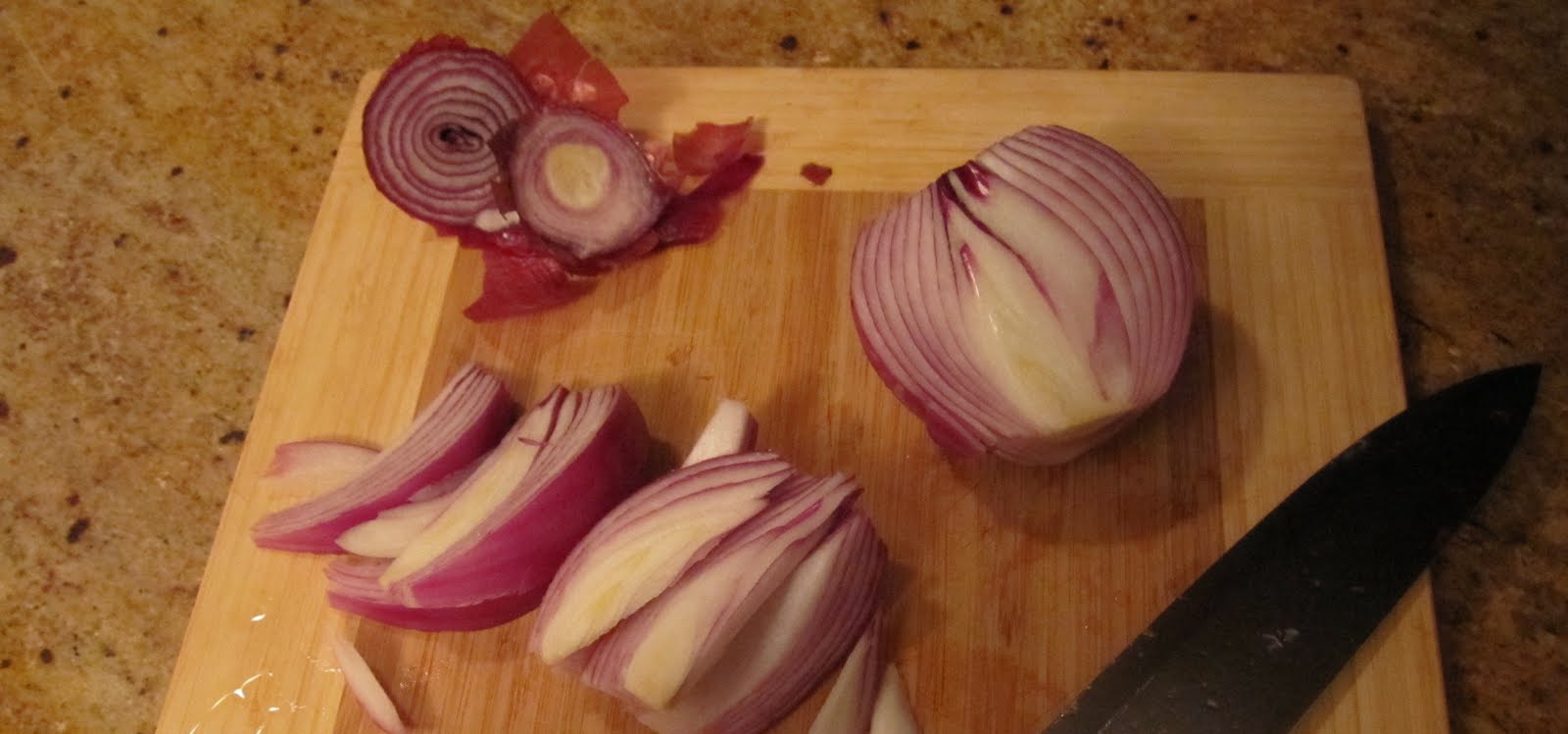
½ cup diced onion
½ cup diced carrot
½ cup diced celery
2 bell peppers, chopped fine
2 apples, peeled, cored and chopped
Saute slowly until brown, stirring frequently. Stir in
1/3 cup flour
and saute briefly. Add:
2 tsp. West Indian curry (at least)
½ tsp. nutmeg
¼ tsp. ground cloves
1 (15-oz.) can diced tomatoes
bay leaf
8 cups vegetable stock
Simmer ½ hour. Add:
1 (19-oz.) can chickpeas (optional)
1 (15-oz.) can coconut milk (unsweetened)
½ cup dried coconut
Cook 10 minutes or so. Puree some or all of the soup. Return to pot. Add:
2 Tbsp. lime juice (or more)
2 tsp. fresh cilantro, finely chopped (or more)
The balance of coconut milk and lime juice is crucial. Salt and pepper to taste.
Since the recipe calls for letting the soup sit for several hours to let the flavors come out, it's perfect for an after-event meal. A vegetarian entree with a coconut curry/lime juice base, it doesn't resemble anyone's idea of actual mulligatawny soup, but the name remains.